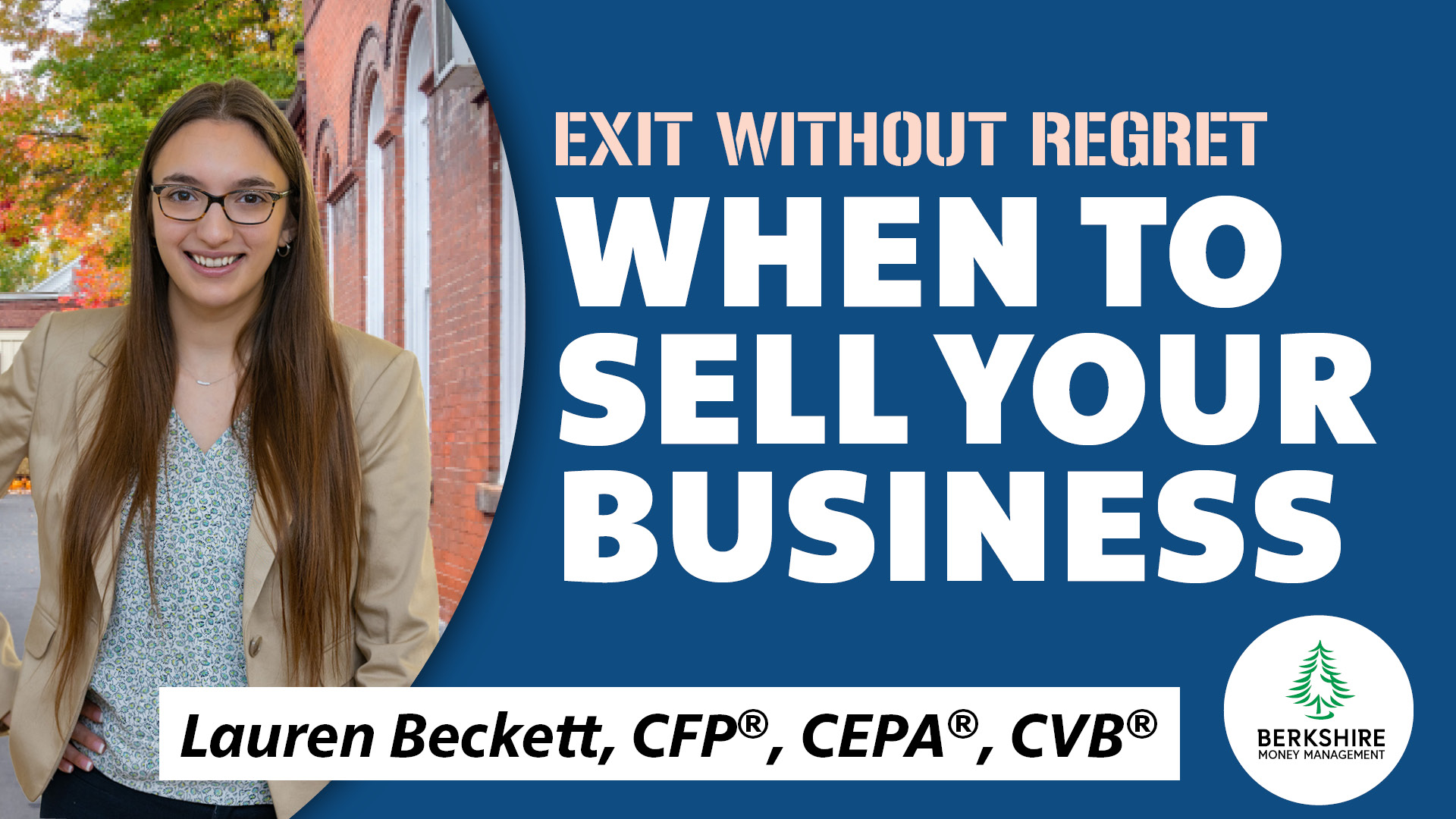
Exit Without Regret: The things money can’t buy when selling your business

By Lauren Beckett • December 19, 2025
When business owners think about selling, the dollar amount often takes center stage. And while price matters, it isn’t the only measure of a successful exit.
Over and over, I see owners realize—sometimes too late—that some of the most important parts of their business can’t be captured in a number. Your people, your culture, your reputation, and your values don’t automatically transfer just because a deal closes. If those things matter to you, they deserve attention well before the sale.
What to consider beyond the sale price of your business
1. Protect the culture you’ve built
Company culture doesn’t show up on a balance sheet, but it’s often one of the most valuable (and fragile) assets in a business. A buyer who doesn’t understand or respect that culture can change it quickly. Before accepting an offer for the business you’ve worked so hard to build, consider:
- How leadership will treat employees
- Whether decision-making will remain consistent with the values that built your company
- How day-to-day operations may shift under new ownership
Sometimes the “best” offer isn’t the highest one—it’s the one that preserves what you’ve built.
2. Communicate clearly with your team about your sale plans
Employees want to know what the future holds. Uncertainty can lead to disengagement or turnover at exactly the wrong time. Clear communication helps:
- Reduce fear and speculation
- Maintain productivity during the transition
- Reinforce trust between you and your team
When employees understand the plan, they’re more likely to support the transition instead of resisting it.
3. Consider the impact of a business sale on customers and suppliers
Your relationships with customers and suppliers didn’t happen overnight. A buyer’s approach to pricing, service, or contracts can affect those relationships long after the sale. If those relationships matter to you, think carefully about:
- How the buyer plans to serve customers
- Whether supplier relationships will be honored
- How reputation and goodwill will be maintained
These factors can influence whether your business continues to thrive after you step away.
4. Decide what you’re willing to trade for peace of mind
Some owners choose to accept less money in exchange for continuity, stability, or values alignment. That’s not a failure—it’s a conscious decision on your part to protect what’s most important to you. Knowing your priorities ahead of time helps you:
- Evaluate offers more clearly
- Avoid second-guessing after the sale
- Feel confident that the outcome aligns with what matters most to you
Money is important, but it’s not the only thing that defines a successful exit. The legacy of your business lives on through your people, your culture, and the relationships you leave behind. When you plan for those elements alongside the financial details of your business sale, you’re far more likely to walk away feeling satisfied—not just paid.

Lauren is a CERTIFIED FINANCIAL PLANNER™ professional, Certified Exit Planning Advisor, and Certified Value Builder. In her role as Assistant Director of Financial Planning at Berkshire Money Management, she develops comprehensive financial plans for BMM clients and prepares business owners to strategically transfer or sell their companies.
Similar Posts
-

Retirement and legacy planning in the “messy middle”: Make savings last and leave a legacy

By PJ Gagne, AIF®
February 11, 2026 -

Exit Without Regret: When is the right time to sell your business?

By Lauren Beckett
January 2, 2026 -
Teaching Stewardship, Not Entitlement: How to prepare children for inheritance

By Peter Coughlin
December 30, 2025